 +353 (0)1 4523432



Avoiding Viscosity Pitfalls
Viscosity testing often appears simple and straightforward: take a measurement, document the value, and repeat. In practice, however, small inconsistencies in testing conditions can significantly affect results. Even minor deviations in temperature, spindle choice, or sample preparation can lead to unreliable data, wasted materials, and costly troubleshooting.
Whether working in quality control, research and development, or production, avoiding these pitfalls will help ensure consistent, repeatable, and accurate viscosity measurements.
The Most Common Viscosity Testing Mistakes
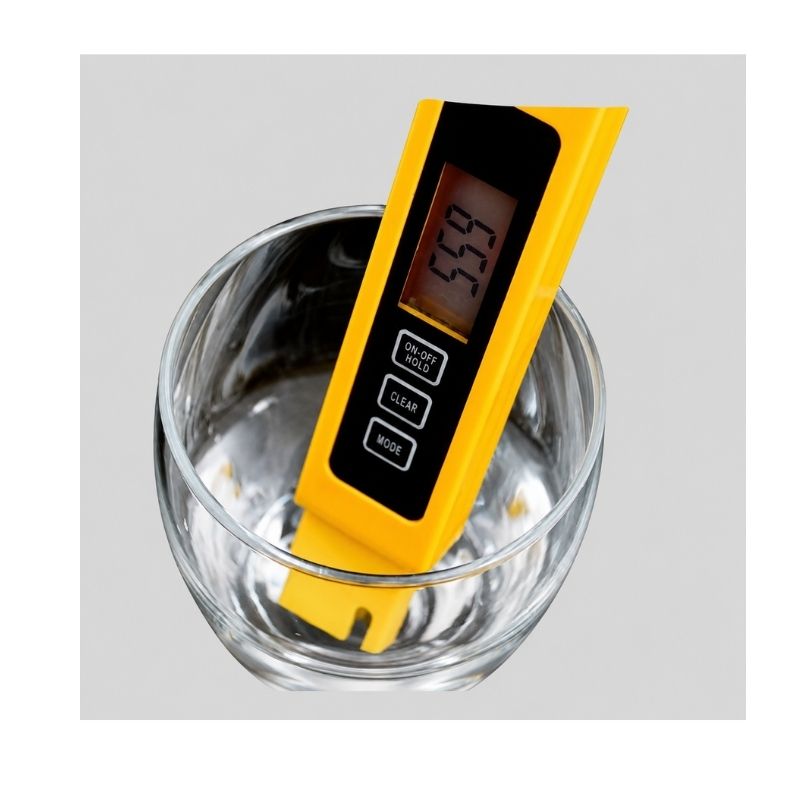
1. Poor Temperature Control
Why this happens
Many laboratories assume room temperature is enough for viscosity testing. In reality, even small temperature fluctuations can dramatically affect fluid behaviour.
Why it mattersViscosity is highly temperature dependent. A change of approximately 10°C can affect viscosity by up to 50%, making comparisons between batches unreliable and masking true sample behaviour.
How to avoid poor temperature control- Use a temperature-controlled bath or heating system.
- Allow samples sufficient time to equilibrate.
- Monitor temperature continuously during testing.
- Record the test temperature with every measurement.
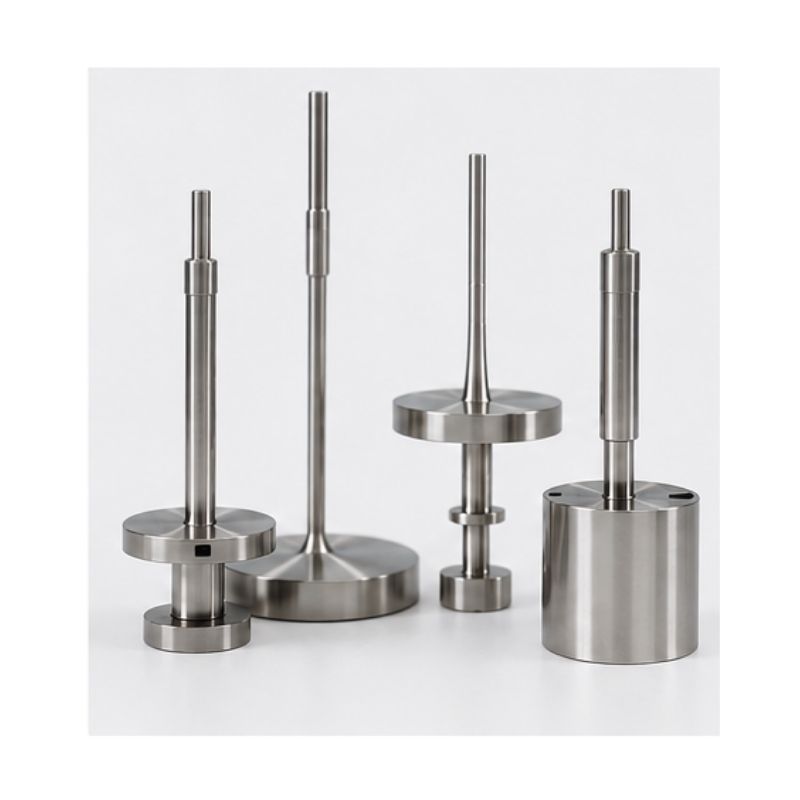
2. Selecting the Wrong Spindle
Why this happens
Spindle selection is sometimes treated as a minor detail, particularly when testing similar products. However, each spindle is designed for a specific viscosity range and sample behaviour.
Why it mattersUsing an inappropriate spindle can lead to off-scale readings, poor torque sensitivity, reduced measurement accuracy, and poor repeatability between tests.
How to avoid the problem- Use a spindle selection chart.
- Match spindle geometry to viscosity range.
- Ensure torque readings fall within the recommended operating window (typically 10–90%).
- Validate spindle choice during method development.
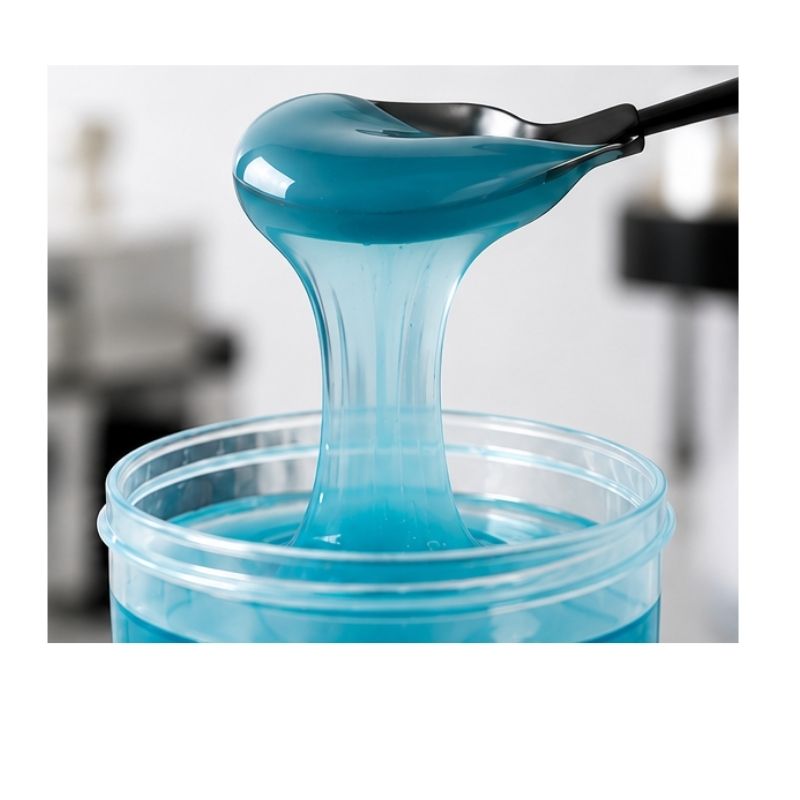
3. Inconsistent Sample Preparation
Why this happens
Differences in mixing, handling, or sample history are often overlooked, especially in busy laboratory environments.
Why it mattersViscosity is affected by air bubbles, settling or phase separation, incomplete mixing, shear history, and sample ageing. These factors introduce variability even when using identical test settings.
How to avoid the problem- Standardise mixing procedures.
- Avoid entraining air during preparation.
- Use consistent sample volumes.
- Allow samples to rest after mixing if necessary.
- Follow a documented preparation protocol.
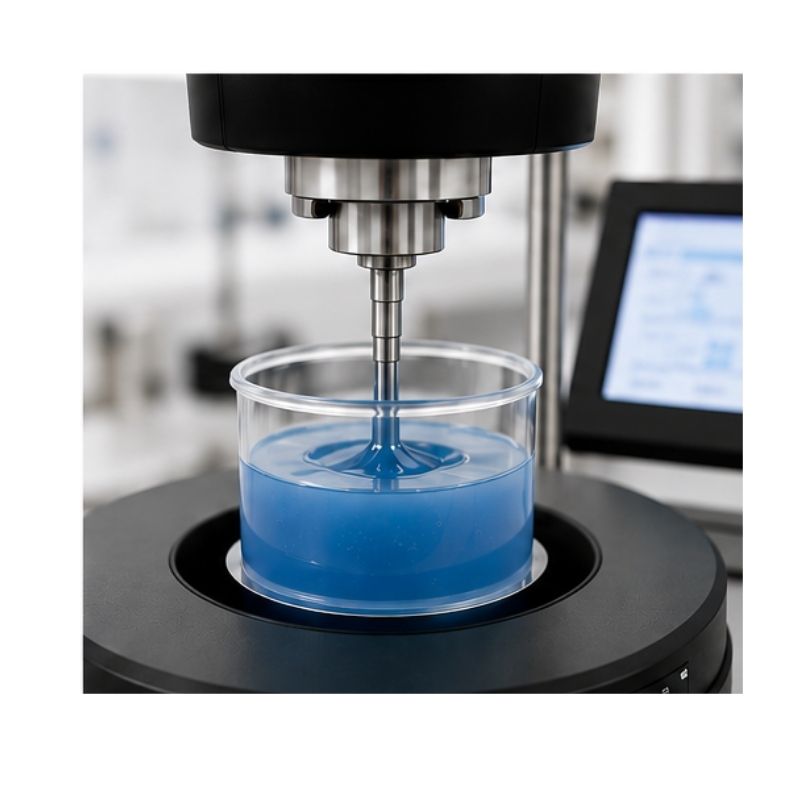
4. Using Incorrect Speed Settings
Why this happens
Operators sometimes use a single rotational speed for all materials or select speeds based on convenience rather than fluid behaviour.
Why it MattersMany materials are non-Newtonian, meaning viscosity changes with shear rate. Using different speeds can therefore produce different viscosity values for the same sample.
This can lead to;Inconsistent specifications,incorrect product comparisons, and Misinterpretation of flow behaviour
How to avoid the problem- Define test speed during method development.
- Use the same speed for all comparisons.
- Evaluate multiple speeds for non-Newtonian fluids.
- Document speed settings in SOPs.
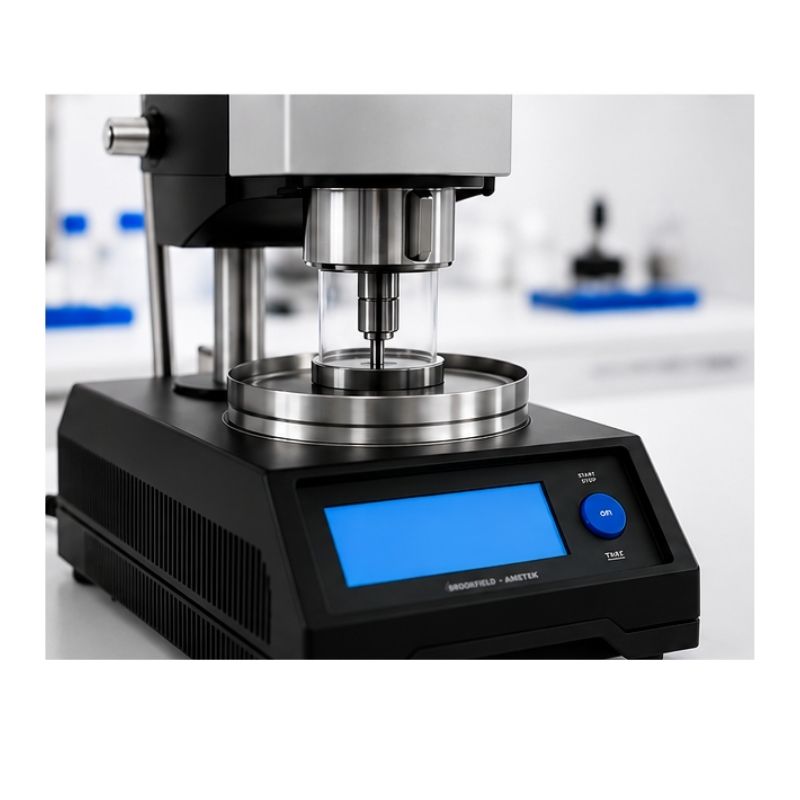
5. Neglecting Instrument Calibration and Verification
Why this happens
Routine calibration checks may be skipped due to time pressures or assumptions that instruments remain stable.
Why it mattersOver time, mechanical wear, environmental conditions, and handling can affect viscometer accuracy. Without verification, measurement drift may go unnoticed.
How to avoid the problem- Perform regular calibration checks using viscosity standards.
- Verify performance after relocation or maintenance.
- Maintain calibration records.
- Follow manufacturer recommendations.
Best Practices for-Reliable Viscosity Testing
To minimise errors and improve reproducibility, laboratories should:
- Maintain strict temperature control.
- Select the correct spindle for the viscosity range.
- Standardise sample preparation procedures.
- Use consistent rotational speeds.
- Verify instrument calibration regularly.
- Document all test parameters.
- Train operators on method consistency.
Accurate viscosity measurement depends on controlling multiple variables simultaneously. Temperature, spindle selection, speed, sample preparation, and calibration all play a critical role in obtaining dependable results. Any oversights in any of these areas can lead to significant measurement errors.
Find Out More About Viscosity?
Discover our viscosity range and find out more about viscosity on our Viscosity FAQ page.
If you need anything that is not covered in this range, please contact our Sales team below.
|
To find out more: |